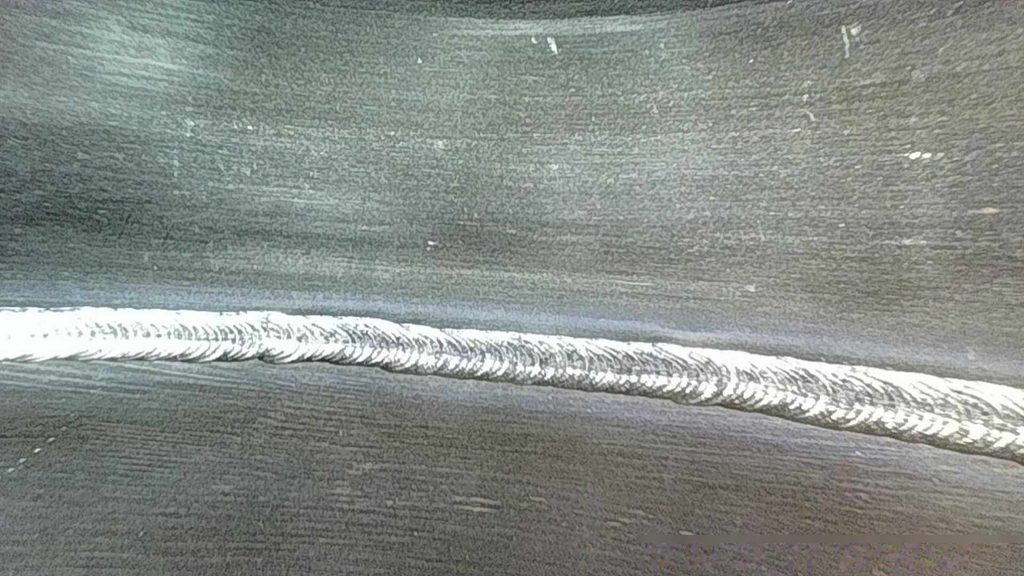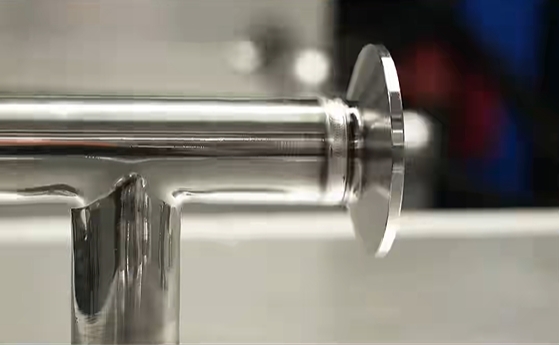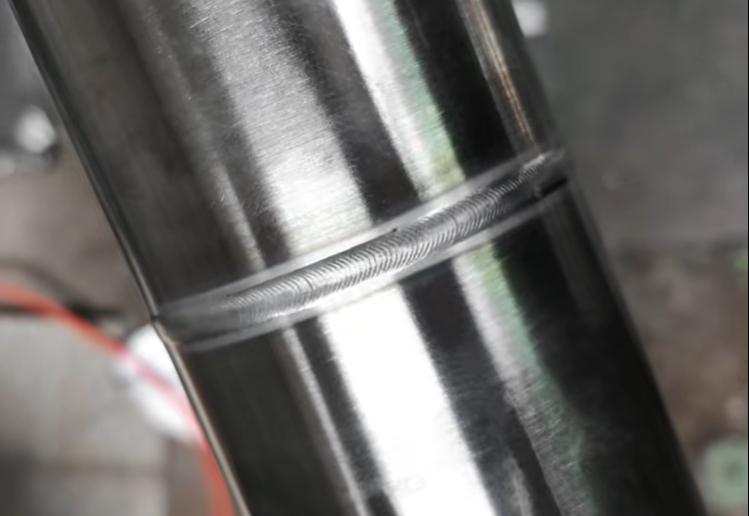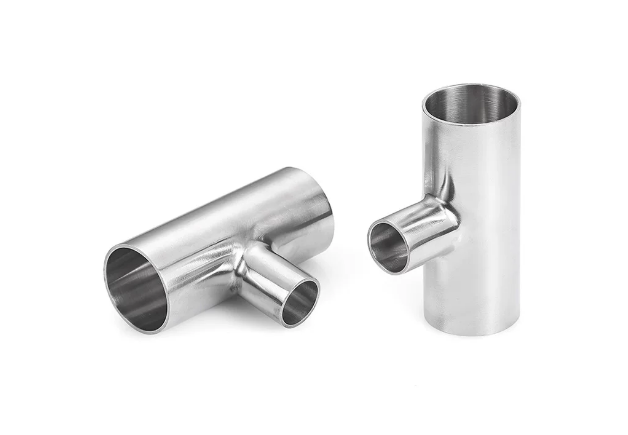
Thin-wall stainless steel tubing is widely used in pharmaceutical processing, food and beverage production, semiconductor manufacturing, and other industrial applications. In these applications, welding efficiency is not simply a matter of completing each weld faster. Weld quality, repeatability, internal surface condition, and the amount of rework required all affect overall production performance.
Manual TIG welding remains a flexible and widely used method. However, when a workshop needs to produce a large number of similar tube joints, maintaining consistent results can become challenging. The process may depend heavily on individual welder skill, while training additional welders and maintaining consistent production output can require considerable time.
For suitable tube-to-tube joints, automated orbital TIG welding offers another approach. For companies that do not want to invest in their own equipment or develop an in-house orbital welding team, outsourced tube prefabrication may also be worth considering.
1. Why Is Thin-Wall Stainless Steel Tubing Difficult to Weld Consistently?
Thin-wall tubing requires careful control of heat input and joint preparation. Small differences in fit-up or welding technique can affect the finished weld.
Common production challenges include:
- Inconsistent weld appearance: Variations in torch angle, travel speed, and heat input can produce differences in weld bead width and penetration.
- Burn-through and distortion: Excessive heat input can cause local melting, deformation, or an unacceptable internal weld profile.
- Internal oxidation: Inadequate shielding on the tube’s internal surface can produce oxidation and heat tint, which may be unacceptable for high-purity or sanitary applications.
- Dependence on skilled welders: Developing the ability to produce consistent thin-wall welds by hand takes practice and experience.
- Rework and inspection time: Defective or inconsistent welds may require additional inspection, repair, or replacement.
These problems do not mean manual TIG welding is inherently unsuitable. A skilled welder can produce excellent results. The challenge is maintaining those results across repeated production joints, different operators, and extended production runs.
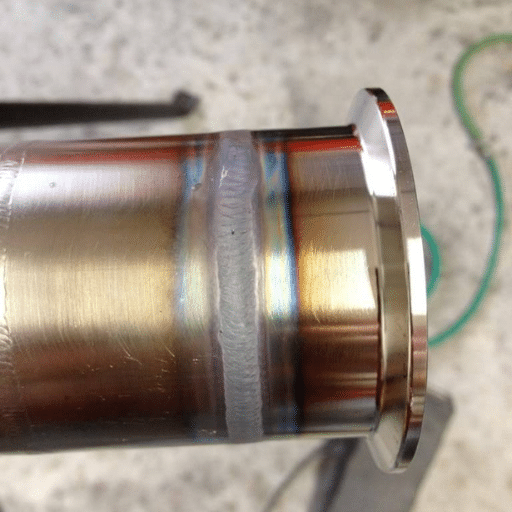
2. Improve the Welding Process Before Increasing Welding Speed
Improving productivity starts with reducing the causes of inconsistent results. Faster welding alone does not necessarily mean lower production costs if it leads to more defects or rework.
Prepare the tube ends accurately
Tube ends should be cut square, cleaned, and prepared according to the applicable welding procedure. Poor end preparation can create gaps, misalignment, or inconsistent joint geometry.
This is particularly important for autogenous orbital welding, where no filler wire is added to compensate for gaps in the joint.
Maintain consistent fit-up
The two tube ends should be aligned concentrically, with a joint gap and mismatch within the limits established by the qualified procedure. Suitable fixtures and repeatable clamping arrangements can help reduce variation between joints.
Control shielding gas
Stainless steel tubing may require internal argon purging or a controlled shielding environment, depending on the joint design and application. Gas purity, flow, purge time, and oxygen displacement should be controlled according to the process requirements.
For high-purity applications, the internal root condition can be as important as the external weld appearance.
Establish repeatable welding parameters
Current, travel speed, pulse settings, electrode geometry, and other relevant parameters should be established through procedure development and verified on representative material.
These measures improve manual welding as well as automated welding. Automation cannot compensate for poor joint preparation or an unsuitable welding procedure.
3. When Does Orbital TIG Welding Make Sense?
Orbital TIG welding uses a mechanized welding head to move the tungsten electrode around a stationary tube. Once the joint has been prepared, clamped, and the appropriate program selected, the machine executes the programmed welding cycle.
For suitable thin-wall stainless steel tube-to-tube joints, a closed-head orbital system can provide controlled welding motion and a repeatable shielding environment.
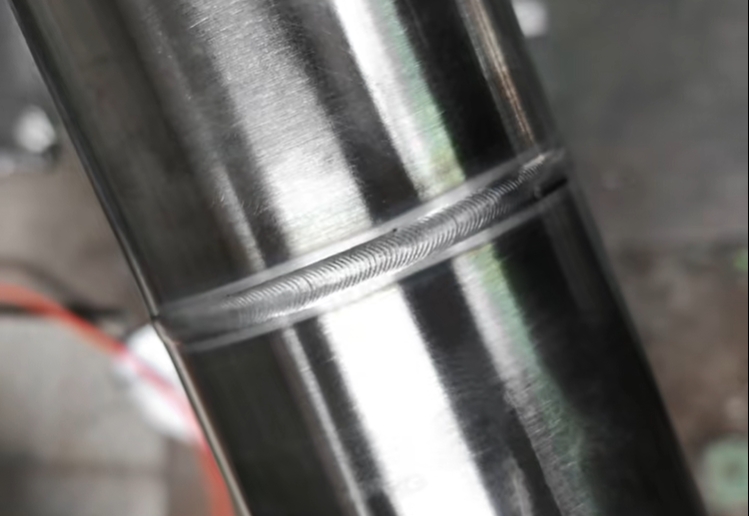
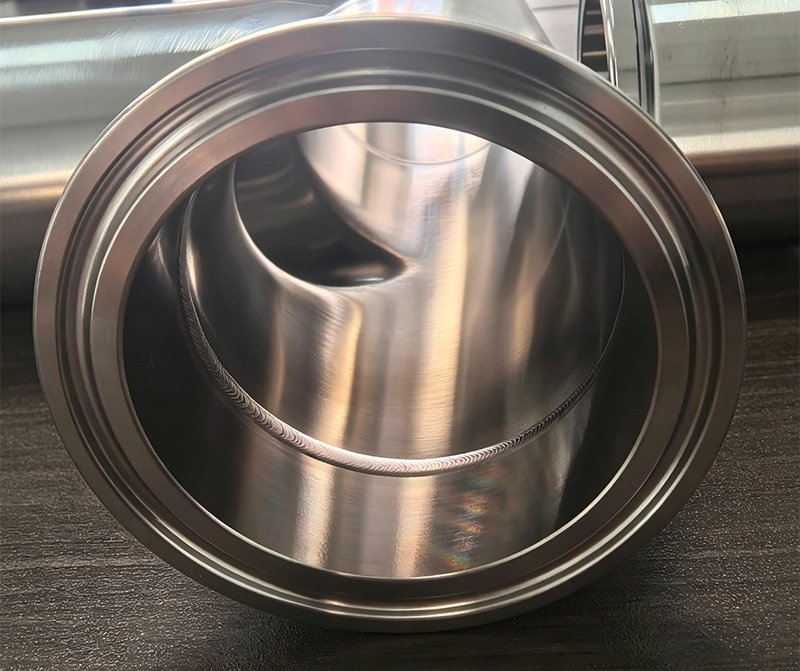
More repeatable welding cycles
Manual TIG welding requires the operator to control torch movement and the weld pool continuously. Orbital welding automates the rotational movement and executes a predefined welding sequence.
This reduces the amount of continuous manual torch control required and can help maintain consistent results across repeated joints when the procedure and setup are properly controlled.
Less dependence on advanced manual torch skills
Orbital welding does not eliminate the need for skilled personnel. However, it changes the skill requirements.
Instead of relying primarily on continuous hand control, the operator must prepare the joint correctly, select the appropriate program, set up the equipment, monitor the process, and verify the finished weld.
Operators still need appropriate training to recognize problems and respond to abnormal conditions.
A more controlled shielding environment
A closed-head orbital welding system encloses the weld zone within a chamber supplied with shielding gas. This can help protect the weld from atmospheric contamination during welding.
The actual result depends on the equipment, gas supply, setup, material preparation, and qualified procedure. Internal purging and other controls may still be required depending on the application.
Potentially better production efficiency
Orbital welding can be advantageous when many similar joints need to be welded repeatedly. It reduces the need for continuous manual torch manipulation and can make cycle times more predictable.
However, the total time per accepted weld must include tube preparation, fit-up, clamping, program setup, inspection, and any required documentation. The benefit is greatest when joint geometry and production conditions are sufficiently consistent.
4. Manual TIG vs. Orbital TIG: Which Is Better for Production?
Neither process is universally better. The appropriate choice depends on the tube dimensions, joint configuration, production volume, quality requirements, and available resources.
| Consideration | Manual TIG | Orbital TIG |
|---|---|---|
| Operator skill | High manual torch-control skill may be required | Requires setup, programming, process knowledge, and inspection skills |
| Repeatability | Depends strongly on operator technique and working conditions | Can improve repeatability with a validated procedure |
| Complex or changing joints | Flexible for varied geometries and difficult access | Best suited to joints compatible with the welding head and fixtures |
| Repeated production joints | Performance depends on operator and workflow | Often advantageous for repeated, similar joints |
| Initial investment | Generally lower equipment investment | Requires a suitable power source, welding head, tooling, and process development |
| Production flexibility | High for varied, low-volume work | Depends on tube range, head configuration, and changeover requirements |
For example, a workshop producing a small number of different tube assemblies may benefit from the flexibility of manual TIG welding. A manufacturer producing hundreds of similar thin-wall tube joints may find it worthwhile to evaluate orbital welding.
The decision should be based on actual production requirements rather than the assumption that automation is always faster or less expensive.
5. Should You Invest in Orbital Welding or Outsource Tube Prefabrication?
Purchasing equipment is only one part of the cost of bringing orbital welding in-house. A company must also consider operator training, procedure development, tooling, maintenance, inspection, and the expected volume of work.
For some manufacturers, investing in an in-house orbital welding system is a sensible long-term decision. For others, outsourcing selected tube prefabrication work may be more practical.
Outsourcing may be worth evaluating when:
- Your production team is already fully occupied with core manufacturing operations.
- You need specialist thin-wall stainless steel welding for particular projects.
- Your order volume does not justify purchasing and maintaining dedicated equipment.
- You need additional fabrication capacity during periods of high demand.
- You want to evaluate a new tube assembly before committing to an in-house process.
The comparison should consider the total cost of accepted, conforming parts—not just the quoted welding rate.
A useful starting point is to compare in-house labor, equipment costs, setup time, inspection, rework, and delivery requirements against an external fabrication quotation.
6. What Information Is Needed for a Tube Prefabrication Quotation?
A clear technical specification helps determine whether orbital welding is suitable and what the project will require.
When requesting a quotation for thin-wall stainless steel tube prefabrication, prepare the following information where available:
- Material: For example, 304 or 316L stainless steel.
- Tube dimensions: Outside diameter, wall thickness, and cut length.
- Joint configuration: Tube-to-tube butt joints, fittings, branches, or other connections.
- Quantity: Number of assemblies and total weld count.
- Drawings: Dimensioned drawings, CAD files, or an assembly drawing with a bill of materials.
- Quality requirements: Internal and external weld appearance, inspection criteria, cleanliness, and documentation requirements.
- Delivery requirements: Required completion date, packaging, and shipping destination.
These details help establish whether the work is suitable for orbital welding, what preparation is needed, and which inspection requirements should be included in the quotation.
7. Thin-Wall Stainless Steel Tube Prefabrication with WeldPure
WeldPure supports custom stainless steel tube and process piping prefabrication projects, with an emphasis on welding process control, production coordination, and quality requirements defined for each project.
For applications involving thin-wall 304 or 316L stainless steel tubing, the appropriate fabrication method depends on the tube dimensions, joint design, production quantity, and required weld quality. Orbital TIG welding can be considered where the application is suitable, while other methods may be appropriate for more complex or varied assemblies.
If you are evaluating external fabrication for a new project or looking for additional production capacity, you can submit your drawings or specifications for review.
To discuss a project, provide the tube material, outside diameter, wall thickness, joint details, quantity, and any applicable inspection or cleanliness requirements. This information provides a starting point for evaluating fabrication feasibility and preparing a project quotation.